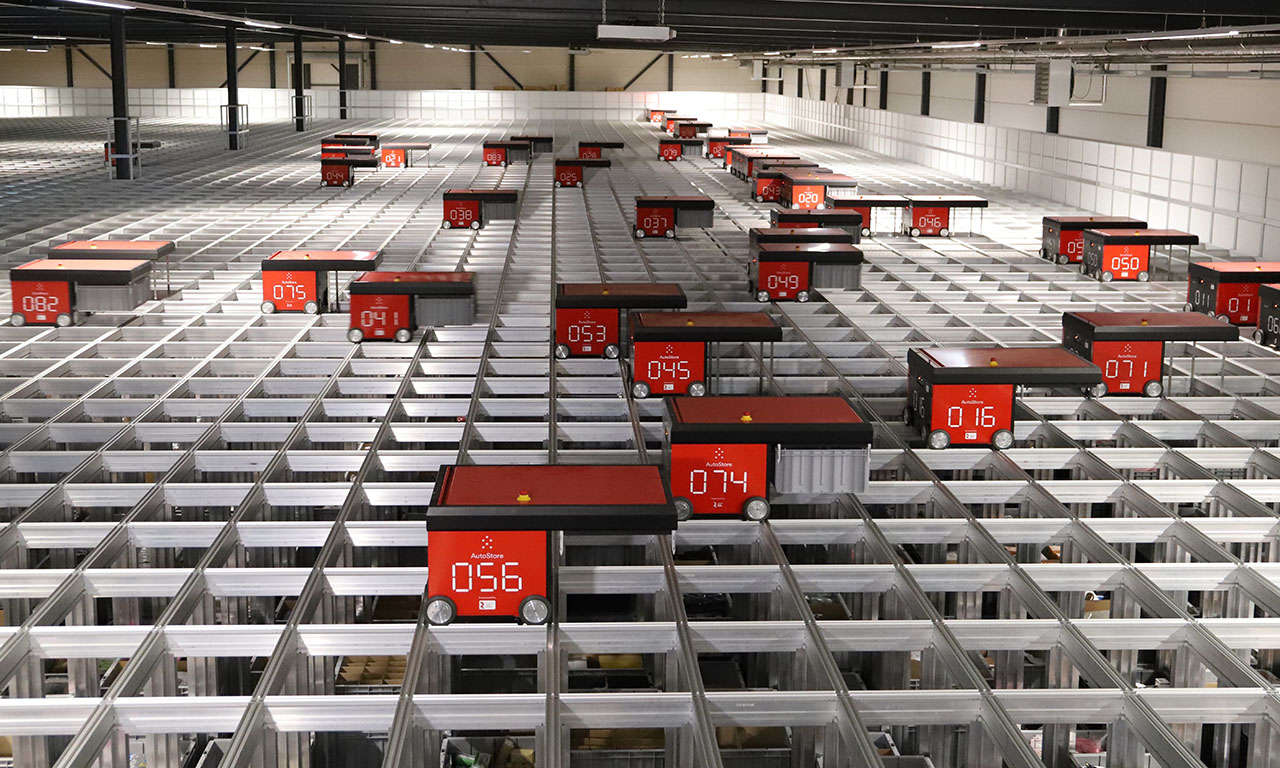
An automated small-parts warehouse offers companies the opportunity to streamline their warehousing processes and sustainably increase productivity. Modern systems automate the storage and retrieval of goods, reduce manual tasks, and lay the foundation for scalable intralogistics.
Various technologies are available today. While traditional automated small-parts warehouses rely on stacker cranes and permanently installed storage structures, modern systems such as AutoStore are becoming increasingly important. They enable exceptionally high storage density, flexible expansion options, and efficient order picking based on the “goods-to-person” principle.
As a specialist in warehouse automation, Syncore helps companies plan and implement customized automation solutions and identifies which technology is best suited to their specific needs.
What is an automated small-parts warehouse?
An automated small-parts warehouse is an automated storage system for storing and managing small parts, containers, or boxes. The goods are stored in a defined warehouse structure and automatically retrieved as needed.
The goal of an automated small-parts warehouse is to speed up warehouse processes, reduce error rates, and make optimal use of available warehouse space.
Typical applications include:
- E-commerce
- Spare Parts Logistics
- Industry and Manufacturing
- Pharmaceutical Industry
- Electronics Industry
- Retail and Distribution
Companies with a wide variety of products, in particular, benefit from automated processes and fast order processing.
Advantages of an Automated Small Parts Warehouse
Automated warehouse solutions offer numerous advantages over manual warehouse systems.
Increased Storage Capacity
Automated systems make optimal use of the available warehouse height and enable significantly higher storage density than conventional rack-based warehouses.
Faster Picking
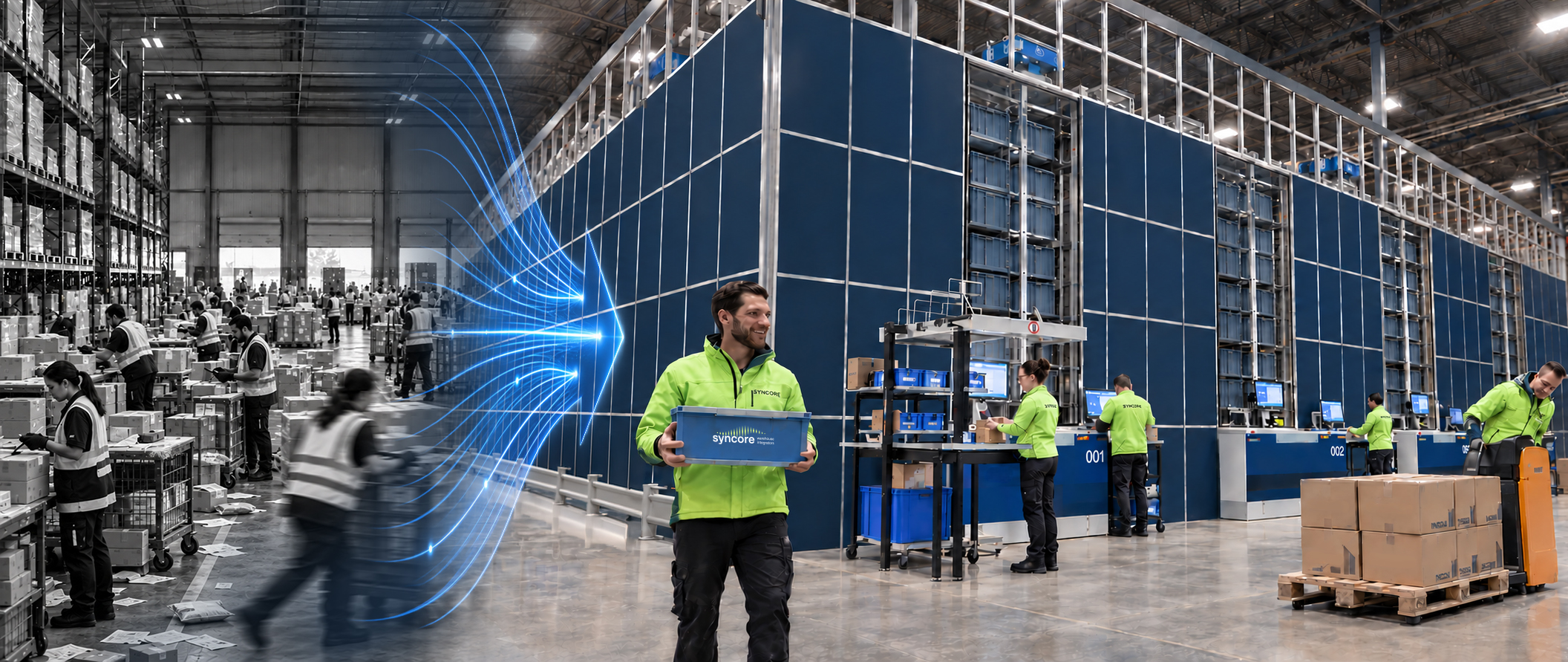
Thanks to the "goods-to-person" principle, items are automatically transported to employees. This eliminates the need for long walks and significantly increases productivity.
Lower
error rate
Automated processes ensure a high level of process reliability and significantly reduce picking errors.
Better Land Use
Efficient use of warehouse space allows companies to store more items in the same amount of floor space.
Scalability Has Improved
Modern warehouse solutions can be flexibly adapted to future needs and grow along with the company.
Relief for Employees
Repetitive and physically demanding tasks are automated. This improves ergonomics and helps companies address the shortage of skilled workers.
A Comparison of Technologies for Automated Small-Parts Warehouses
The term “automated small-parts warehouse” encompasses a variety of technologies. Choosing the right solution depends on factors such as product structure, throughput requirements, available space, and growth objectives.
This may involve deploying additional robots to increase throughput or adding and customizing ports to optimize workflows at the workstations. Sometimes it’s also a matter of creating more usable storage capacity. And with AutoStore’s new software tools, you can also get the most out of your existing system before purchasing new hardware.
Traditional automated small-parts warehouse with stacker cranes
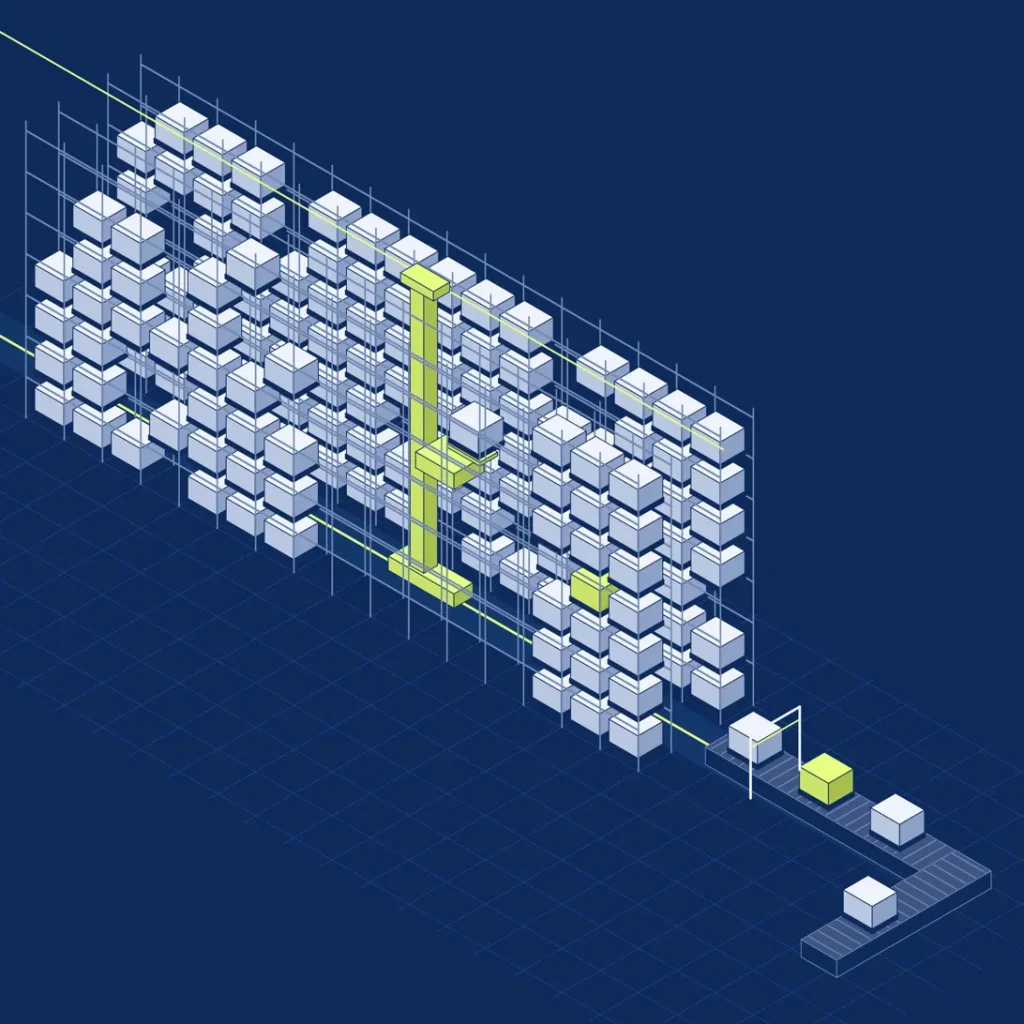
The traditional automated small-parts warehouse is based on a racking system with rack-feeding machines. Items are stored in containers and are loaded and unloaded using automated equipment. This technology is frequently used in large distribution centers and manufacturing environments.
The greatest value doesn’t come from simply expanding everything. The key is to identify where the actual bottleneck lies before making any investments.
Advantages:
- High storage capacity
- High throughput
- Proven Technology
Disadvantages:
- Significant planning and implementation effort
- Less flexibility when adding features
- High Demands on Building Infrastructure
Shuttle Systems
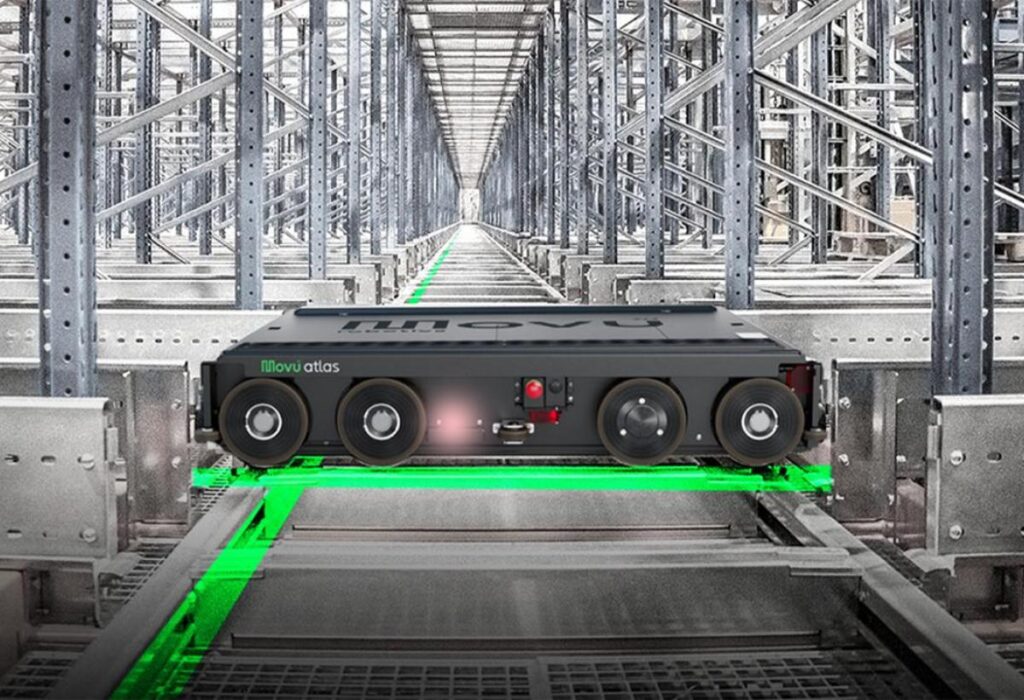
Shuttle systems move containers within the racking structure and enable high access speeds. They are particularly well-suited for companies with high performance requirements and dynamic material flows.
Advantages:
- High Performance
- Flexible Scaling
- Quick Access to Inventory Items
Disadvantages:
- Complex System Architecture
- Higher investment costs
AutoStore
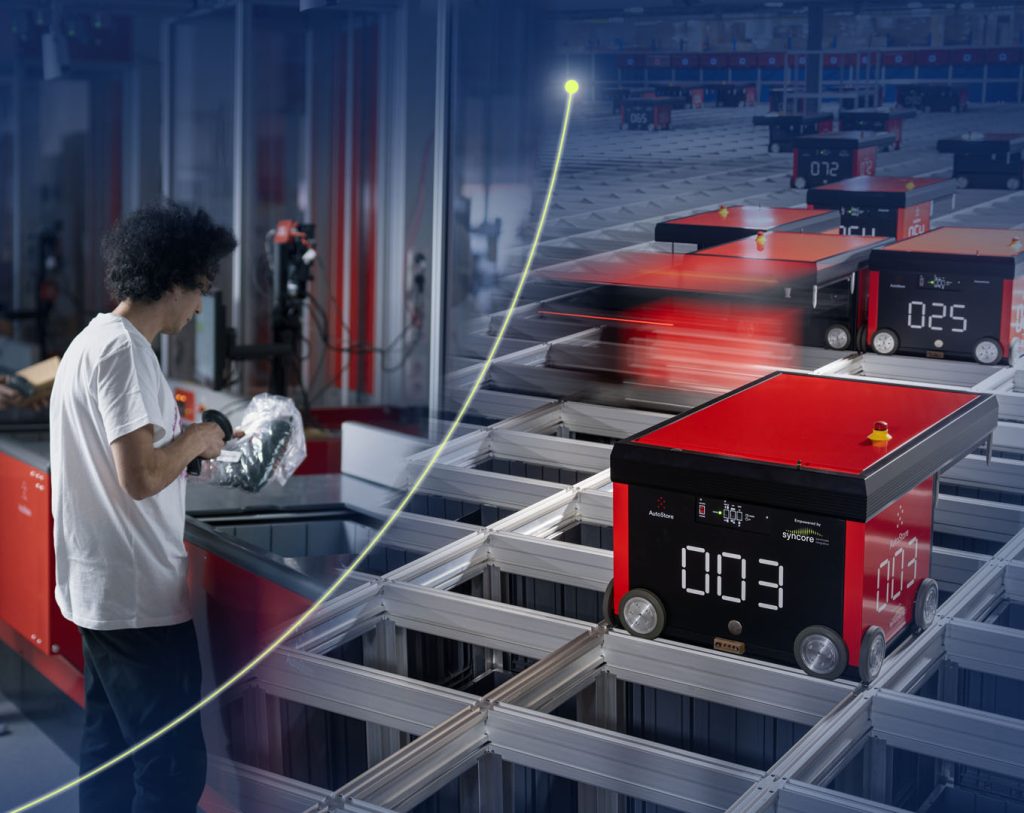
AutoStore is now one of the most innovative solutions for the automated storage of small parts. Items are stored in containers (AutoStore bins) within an AutoStore grid. Robots move along the top of the grid, transporting the required bins to the workstations. This principle enables exceptionally high storage density and flexible system scalability.
Advantages:
- Maximum Space Efficiency
- High storage density
- Modular Scalability
Disadvantages:
- Limited container sizes
- Not suitable for all items
For many companies today, AutoStore represents an attractive alternative to traditional automated small-parts warehouses.
Why AutoStore Is Often the Alternative to Traditional Automated Small-Item Warehouses Today
The demands placed on modern warehouses are constantly changing. Companies need solutions that can scale flexibly, be operated cost-effectively, and enable rapid implementation. This is exactly where AutoStore shines.
Maximum storage density
Thanks to the compact storage within the grid, companies can make optimal use of the available space. Compared to conventional rack-based warehouses, storage capacity can be significantly increased.
Modular Scalability
AutoStore grows along with the company's needs. Additional robots, containers, or workstations can be integrated at any time.
Rapid Implementation
Since no extensive racking structures or aisles are required, an AutoStore system can often be implemented more quickly than a traditional automated small-parts warehouse.
High process reliability
The automated processes ensure high availability and reliable order processing.
Future-proofing
Companies gain a flexible platform that can be adapted to changing market demands.
Automated Small Parts Warehouse or AutoStore?
The decision between a traditional automated small-parts warehouse and AutoStore depends largely on a company’s specific requirements. Both systems enable efficient storage and picking of small parts, but differ in their technical design and strengths. Traditional systems offer high storage capacity and are particularly well-suited for applications with high throughput requirements. AutoStore, on the other hand, stands out for its exceptionally high storage density, as it makes optimal use of available floor space and eliminates the need for aisle space. Furthermore, the system can be expanded modularly, allowing additional bins, robots, or workstations to be integrated as needed. This enables incremental scaling and reduces the investment risk compared to extensive expansions of traditional automated small-parts warehousing systems. AutoStore also offers advantages in terms of flexibility, as the system can be adapted to changing market requirements and business growth. Both automated small-part storage and retrieval systems and AutoStore achieve high picking throughputs and can significantly increase warehouse efficiency. Which solution is the better choice ultimately depends on factors such as product mix, warehouse space, throughput requirements, and the company’s long-term growth goals. A detailed analysis of the processes therefore forms the basis for an informed investment decision. Whether a company is ready for peak season is decided long before it begins. Planning, delivery times, installation, and commissioning all take time.
What types of companies is AutoStore suitable for?
AutoStore is particularly well-suited for companies with a wide variety of items, limited warehouse space, and a desire to automate their warehouse processes over the long term. Thanks to its high storage density and flexible scalability, the system is used in a wide range of industries.
In e-commerce, online retailers benefit from fast order-picking processes and high performance as order volumes increase. Especially during peak periods, AutoStore enables efficient order fulfillment and helps companies reliably meet short delivery times.
AutoStore also demonstrates its strengths in spare parts logistics. The space-saving storage of a large number of different items ensures a clear overview of inventory and quick access to the necessary spare parts.
In industrial and manufacturing companies, AutoStore helps ensure a reliable supply for production processes. Automated material flows reduce search times and optimize internal transport routes.
For companies in the pharmaceutical and healthcare sectors, AutoStore offers high inventory accuracy as well as secure and traceable processes. This makes the system well-suited for industries with high standards for quality and documentation.
In retail and distribution centers, companies benefit from fast order processing, optimized warehouse utilization, and the ability to flexibly accommodate future growth.
Planning and Implementation of an Automated Small Parts Warehouse
The implementation of an automated small-parts warehouse begins with a detailed analysis of existing warehousing and logistics processes. Only by understanding a company’s specific requirements can a suitable automation solution be developed. The first step involves analyzing the warehouse structure, product variety, order profiles, and long-term growth goals. Based on this data, a customized warehouse concept is developed that takes into account both current requirements and future developments. This is followed by a cost-benefit analysis. Factors such as labor costs, warehouse capacity, throughput, and potential savings are evaluated to determine the investment’s profitability.
Following the design phase, the selected solution is integrated into the existing warehouse and IT infrastructure. Careful planning ensures that processes continue to run as smoothly as possible even during implementation. Once the system is up and running, additional expansion phases can be implemented. Modern automation solutions such as AutoStore enable step-by-step expansion and can be flexibly adapted to changing requirements.
Why Syncore?
Choosing the right technology is a critical success factor for any automation project. At the same time, there is no one-size-fits-all solution that is equally suitable for every company. That is why Syncore focuses on personalized consulting and develops customized solutions tailored to each company’s specific warehouse and process environment.
From analyzing existing warehouse processes to developing a suitable automation concept and on to planning and implementation, Syncore supports companies throughout the entire project lifecycle. In doing so, both technical requirements and economic factors are taken into account to create a solution that ensures long-term success.
As an experienced AutoStore integrator, Syncore helps companies plan, integrate, and commission state-of-the-art warehouse automation solutions. This range of services is complemented by professional project management, integration with existing IT systems, and comprehensive service and support offerings.
The focus is not on the technology itself, but on solving specific logistical challenges. The goal is to make processes more efficient, enable growth, and strengthen competitiveness in the long term.
What does Automated Small Parts Warehouse stand for?
Stands for automated small-parts warehouse. It is an automated system for storing and picking small parts, containers, or boxes.
How does an automated small-parts warehouse work?
Items are automatically stored and retrieved as needed using automated systems. Modern solutions operate on the “goods-to-person” principle.
How much does an automated small-parts warehouse cost?
The costs depend on factors such as warehouse size, throughput requirements, the number of storage locations, and the level of automation.
Is AutoStore an automated small-parts warehouse?
AutoStore performs the same basic functions as an automated small-parts warehouse, but uses a different technical approach. Thanks to its compact storage in bins and the use of robots, AutoStore offers exceptionally high storage density and flexibility.
When is it worth automating a small-parts warehouse?
The investment can quickly pay off, especially when order volumes are rising, storage space is limited, there is a shortage of skilled workers, or picking performance requirements are high.
What advantages does AutoStore offer over a traditional automated small-parts warehouse?
AutoStore stands out for its high storage density, modular scalability, short implementation times, and efficient use of available space.