Anyone walking the halls of LogiMAT will recognise the pattern. Each year brings more impressive technology, more compact systems and bolder promises of efficiency. Yet behind all this innovation, a fundamental question is becoming increasingly urgent for logistics decision-makers: how do you ensure that automation does not just look smart, but actually delivers scalable performance, reliability and a sound business case?
In a market under pressure from labour shortages, limited warehouse space and ever-higher service expectations, automation is no longer an experiment. It has become a strategic necessity. At the same time, many organisations are discovering that technology alone is not the answer. Without clear direction and long-term alignment, automation risks turning into a complex patchwork of isolated solutions rather than a driver of sustainable growth.
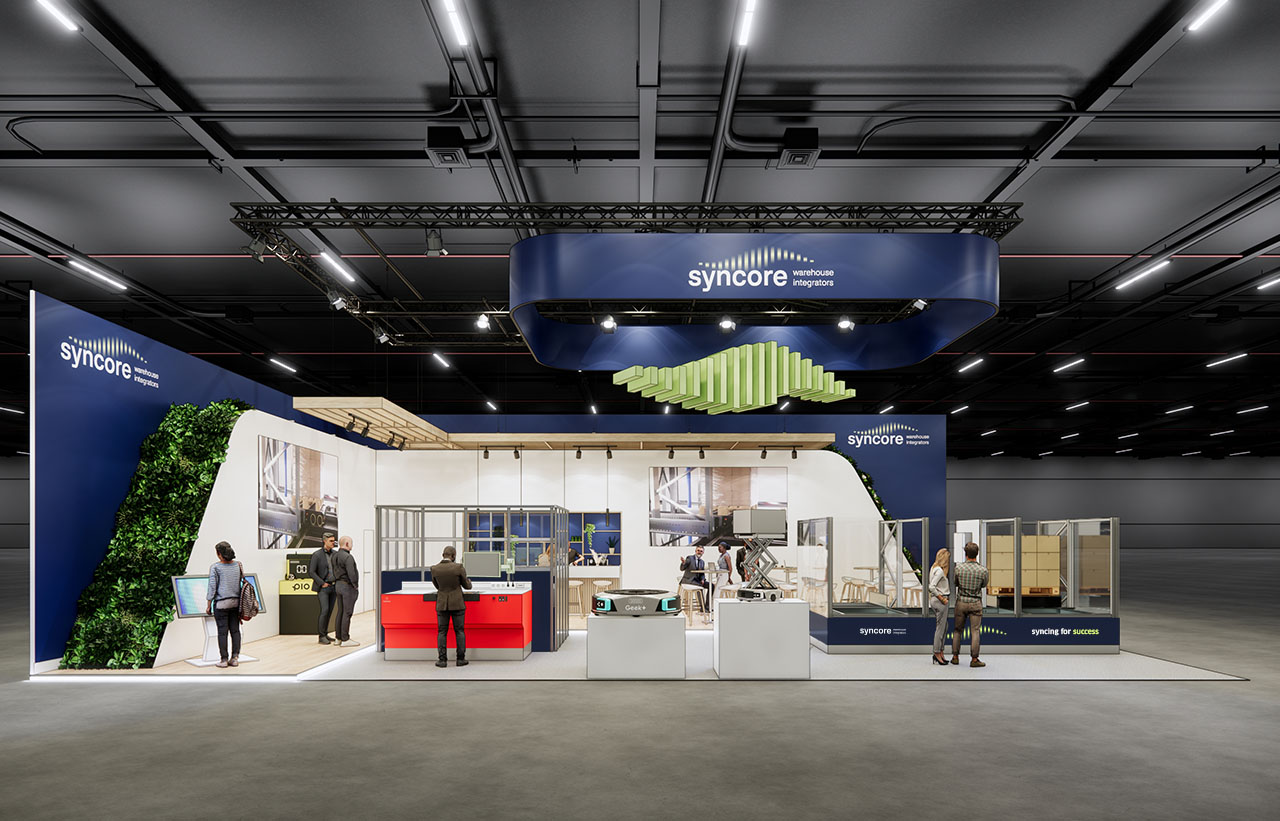
As usual, Syncore will be present at LogiMAT to address precisely this challenge. As a hardware-independent system integrator with end-to-end services, Sycore focuses on the complete lifecycle of intralogistic solutions. From the first analysis through system design and implementation to long-term service and optimisation, the emphasis is on control, coherence and operational reliability rather than on individual technologies.
In conversations with logistics managers and executive teams, Syncore frequently sees the same dilemma. Many organisations are eager to automate, but struggle with where to start. Processes have evolved over time, IT landscapes are fragmented and volumes fluctuate. Under these conditions, introducing automation without a clear framework can quickly increase complexity instead of reducing it.
For that reason, Syncore advocates a phased approach to automation, which is a central theme in its discussions with visitors at LogiMAT. The first phase is about gaining insight. By thoroughly analysing order flows, processes, data and warehouse layout, organisations gain a realistic understanding of where automation will add value and where prerequisites still need to be addressed. This step prevents technology from being deployed in an environment that is not yet ready to support it.
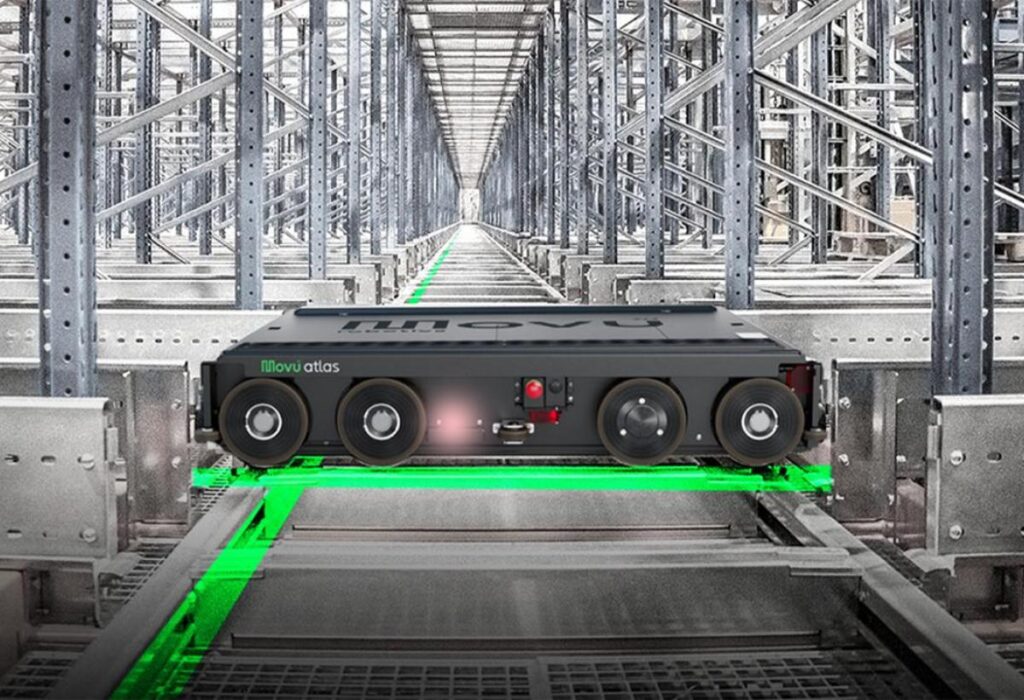
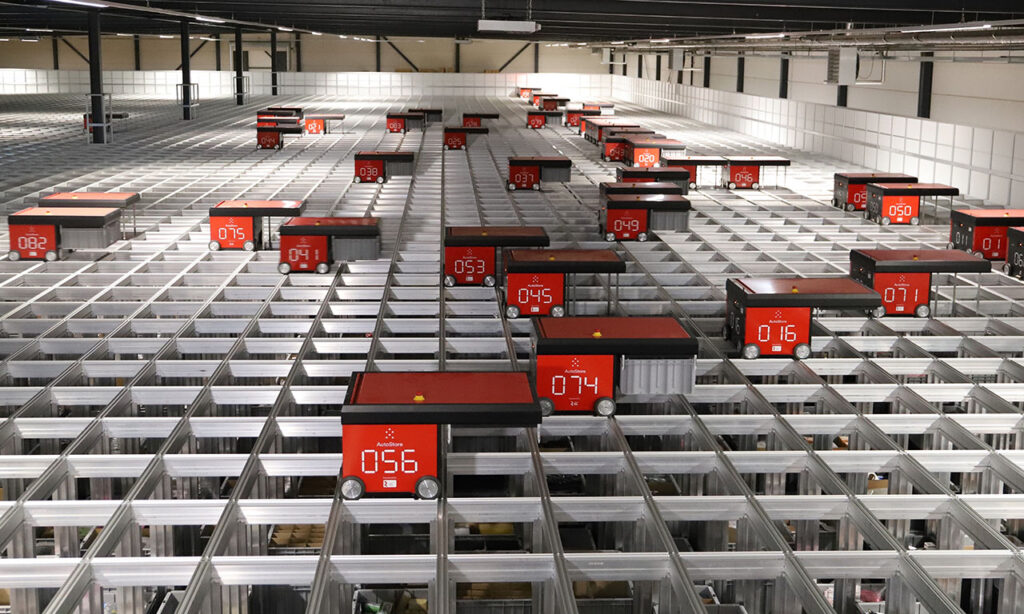
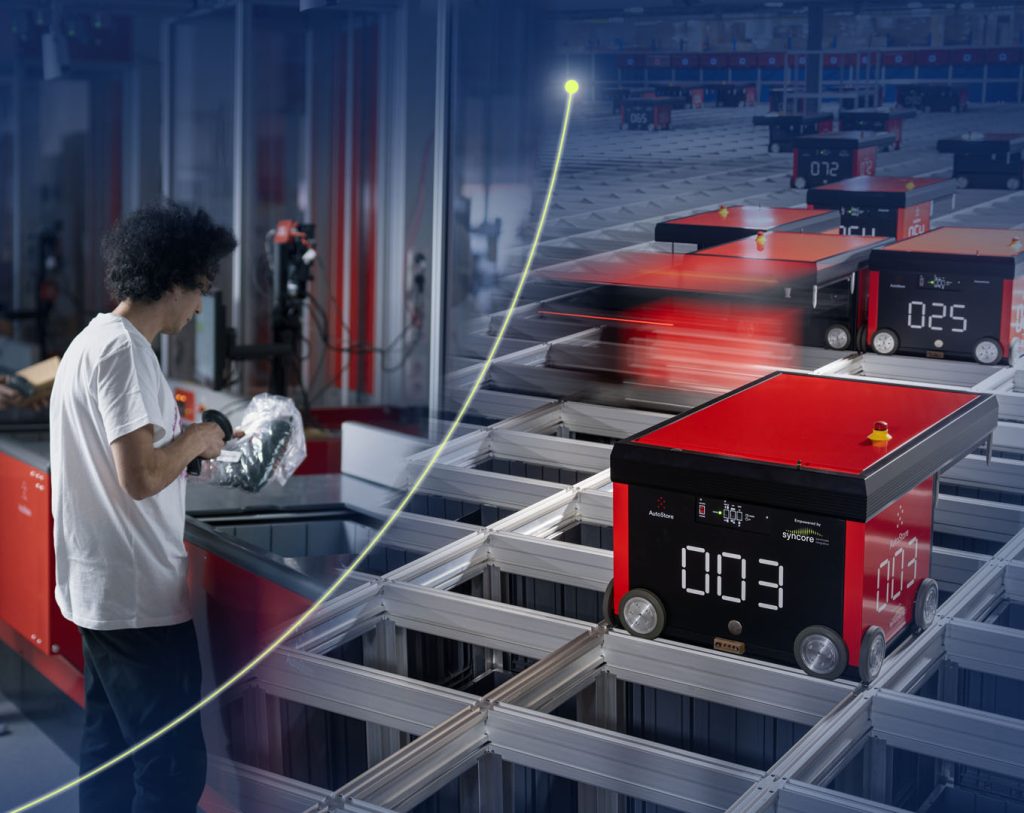
The second phase focuses on designing a scalable intralogistic solution. Acting as a hardware-independent system integrator, Syncore combines technologies such as automated storage and retrieval systems (AS/RS), autonomous mobile robots and pallet shuttle systems into one coherent whole. Modularity plays a key role, allowing systems to fit current operational needs while being able to scale in line with future growth. Coordination between systems, people and processes is ensured through LogiCS Warehouse Control Software, which provides seamless integration with existing IT landscapes.
The third phase highlights the end-to-end nature of syncores role. Automation does not end at go-live. In daily operations, reliability, uptime and predictability determine whether the business case holds. Through ongoing service, monitoring and optimisation, Syncore ensures that intralogistic solutions continue to perform as volumes, assortments and market conditions evolve. Automation thus becomes a strategic development path rather than a one-off project.
At LogiMAT, Syncore demonstrates that successful automation is not about speed or stand-alone innovation, but about maintaining control over the entire journey. From initial analysis to long-term support, that control is often the decisive factor between a warehouse that scales with confidence and one that struggles under growing complexity.